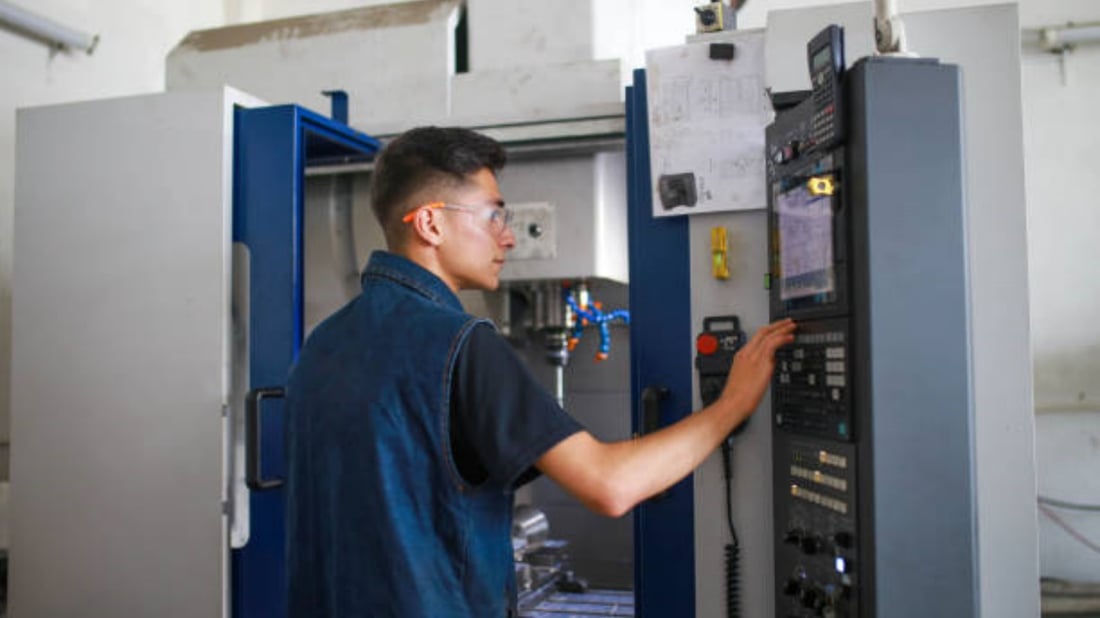
Introduction to Vertical Machining Centers for Large Parts
Vertical machining centers for large parts are specialized machine tools designed to handle and manufacture sizable components with high precision. These centers are critical in industries such as aerospace, automotive, and heavy machinery, where the dimensions and complexity of parts necessitate robust and versatile equipment. Their vertical orientation enables efficient chip removal, improved rigidity, and easier tool access, making them ideal for large-scale machining projects.
Core Features of Vertical Machining Centers for Large Parts
Key features of vertical machining centers tailored for large parts include a spacious work envelope, heavy-duty spindles, and enhanced structural rigidity. These machines typically accommodate large workpieces on extended tables or pallets, facilitating complex machining operations without frequent repositioning. Advanced control systems and multi-axis capabilities ensure precision, while powerful spindles enable efficient material removal across diverse metals and alloys.
Benefits of Using Vertical Machining Centers for Large Parts
The primary advantages of employing a
Vertical machining center for large parts include increased productivity, precision, and operational flexibility. These centers reduce setup times through automation and support a wide range of machining processes like milling, drilling, and tapping. Additionally, their vertical setup aids in chip evacuation and coolant flow, resulting in enhanced tool life and superior surface finish on large components.
Applications Across Various Industries
Industries that depend on vertical machining centers for large parts span aerospace, automotive, energy, and defense sectors. Aerospace components such as engine housings and structural frames demand the precision and consistency that these centers provide. Similarly, automotive manufacturers use them for large molds and die components, while energy and defense sectors rely on them for producing turbines, gun mounts, and other bulky, complex parts.
Material Compatibility and Machining Challenges
Vertical machining centers for large parts are engineered to work with challenging materials, including titanium, stainless steel, nickel alloys, and hardened steels. These materials often pose machining difficulties like tool wear and thermal distortion. The advanced rigidity and cooling systems in these centers mitigate such challenges, ensuring dimensional accuracy and surface integrity even when machining tough materials in large sizes.
Automation and CNC Integration
Modern vertical machining centers for large parts incorporate sophisticated CNC (Computer Numerical Control) systems that enable automated tool changes, precise motion control, and complex machining sequences. Integration with CAD/CAM software streamlines programming for large parts, while automation reduces human error and increases machine utilization. This synergy boosts efficiency, enabling high-volume production runs with consistent quality.
Importance of Rigidity and Stability in Large Part Machining
Rigidity and stability are paramount when machining large parts, as any vibration or deflection translates into reduced precision and potential part rejection. Vertical machining centers designed for large components feature reinforced structures and robust ways to withstand cutting forces. High stiffness ensures minimal tool deflection and accurate positioning, thus preserving tight tolerances and achieving superior surface finishes on massive workpieces.
Tooling Solutions for Large Workpieces
Tooling plays a crucial role in the performance of vertical machining centers for large parts. Specialized large-diameter and long-reach cutting tools, along with heavy-duty tool holders, are often necessary to access complex surfaces. Additionally, modular tooling systems and high-speed spindles equipped with dynamic balancing enhance machining accuracy and extend tool life, meeting the demanding requirements of large-part production.
Maintenance Considerations for Longevity and Performance
Proper maintenance of vertical machining centers for large parts is essential to ensure long-term accuracy and machine uptime. Regular inspection of spindles, guideways, and hydraulic systems, along with timely lubrication and calibration, helps prevent wear and unexpected breakdowns. Since these centers often handle heavy loads and extended operation times, proactive maintenance schedules minimize downtime and optimize overall equipment effectiveness.
Future Trends: Smart Vertical Machining Centers for Large Parts
The future of vertical machining centers for large parts lies in smart manufacturing technologies such as IoT connectivity, real-time condition monitoring, and adaptive control systems. These advancements enable predictive maintenance, automated quality control, and process optimization. Integration with digital twins and AI-driven analytics promises enhanced decision-making capabilities, leading to more efficient production and minimized waste in machining large components.
Quote Inquiry
contact us