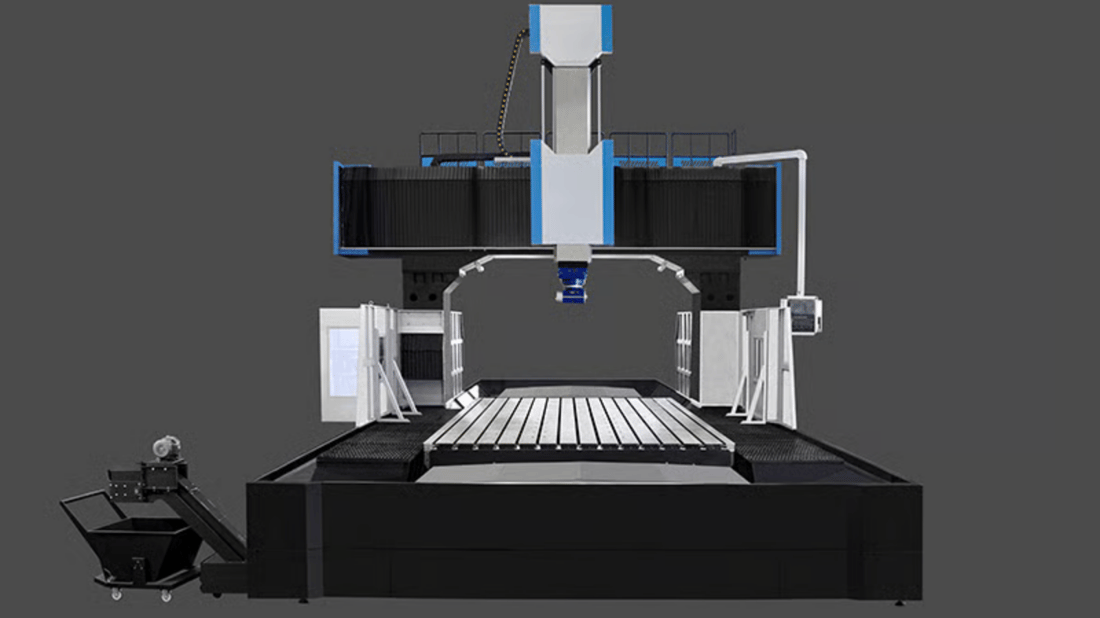
Heavy duty vertical machining centers (VMCs) are pivotal in modern manufacturing, designed to perform demanding precision machining tasks with robustness and efficiency. These machines possess vertical spindle orientations, enabling them to handle large-scale, complex projects in an array of industries such as automotive, aerospace, and heavy equipment manufacturing. Their heavy-duty nature allows for machining high-strength materials with reduced vibration and enhanced stability, ensuring superior accuracy and surface finish.
Core Components and Structural Advantages
The structure of a heavy duty vertical machining center typically includes a rigid bed, a vertical spindle head, and a robust column. This foundational design emphasizes rigidity and minimal deflection under heavy loads, which is critical when machining thick or tough materials like cast iron, steel, or titanium. Advanced models incorporate box-way slides or linear guideways, enhancing longevity and increasing cutting precision. The heavy framework also contributes to vibration damping, which directly influences machining quality.
Precision and Accuracy in High-Load Environments
Precision is a defining characteristic of heavy duty vertical machining centers. Thanks to sophisticated control systems and ball screw technology, these centers can maintain repeatability within microns even under strenuous conditions. The ability to sustain tight tolerances on large or heavy components makes them indispensable for manufacturing parts that require exact dimensions, such as engine blocks or structural components in aerospace.
High Power Spindles and Tool Capacity
The spindle is the heart of any machining center, and heavy duty vertical machining centers come equipped with high-torque, high-horsepower spindles. This allows for the use of large-diameter cutting tools and aggressive cutting parameters, reducing cycle times significantly. Often, these VMCs feature automatic tool changers capable of holding numerous tools, facilitating complex machining operations without manual intervention.
Versatility and Multi-Axis Machining Capabilities
While primarily vertical, many heavy duty machining centers integrate multi-axis capabilities, such as 4-axis or 5-axis configurations. This enables intricate part geometries and enhances the ability to machine complex surfaces in a single setup. The flexibility offered by these machines streamlines manufacturing workflows, minimizes human error, and reduces time spent on secondary operations.
Integration of Advanced CNC Control Systems
Modern heavy duty vertical machining centers incorporate cutting-edge CNC control units that offer intuitive interfaces, adaptive control features, and enhanced programmability. These systems improve operational efficiency by allowing precise control over machine dynamics, cutting speeds, and feed rates. Additionally, network connectivity facilitates real-time monitoring, predictive maintenance, and integration within Industry 4.0 manufacturing environments.
Material Handling and Workholding Solutions
Effectively holding and managing large, heavy workpieces is crucial in heavy duty vertical machining centers. These machines often come with robust worktables and customizable fixtures designed to secure cumbersome components safely. Hydraulic or pneumatic clamping systems provide consistent force, ensuring stability during machining. Some machines also offer rotary tables or indexing devices to aid in positioning and machining multiple faces without repositioning.
Application Spectrum Across Industries
Heavy duty vertical machining centers serve a broad industrial spectrum, including automotive engine manufacturing, aerospace structural component production, heavy machinery fabrication, and energy sector equipment machining. Their strength and precision make them ideal for producing molds, dies, and large structural parts. This adaptability expands their market relevance and justifies the investment in advanced heavy machining capabilities.
Maintenance and Operational Efficiency Considerations
Maintaining heavy duty vertical machining centers involves routine lubrication, calibration, and timely replacement of wear components such as ball screws and guideways. Their robust design minimizes downtime caused by mechanical failures, but scheduled preventive maintenance ensures longevity and consistent performance. Efficient operation also depends on skilled operators and modern software that optimize tool paths and minimize waste.
Future Trends and Technological Innovations
The landscape of heavy duty vertical machining centers continues to evolve, with emerging trends focusing on automation, AI-driven process optimization, and enhanced sustainability. Integration with robotic material handling systems and advanced sensor technologies aims to increase throughput and reduce human intervention. Additionally, the push for green manufacturing encourages the development of energy-efficient machines with eco-friendly coolant and chip management systems, establishing a new benchmark in the industry.
Quote Inquiry
contact us