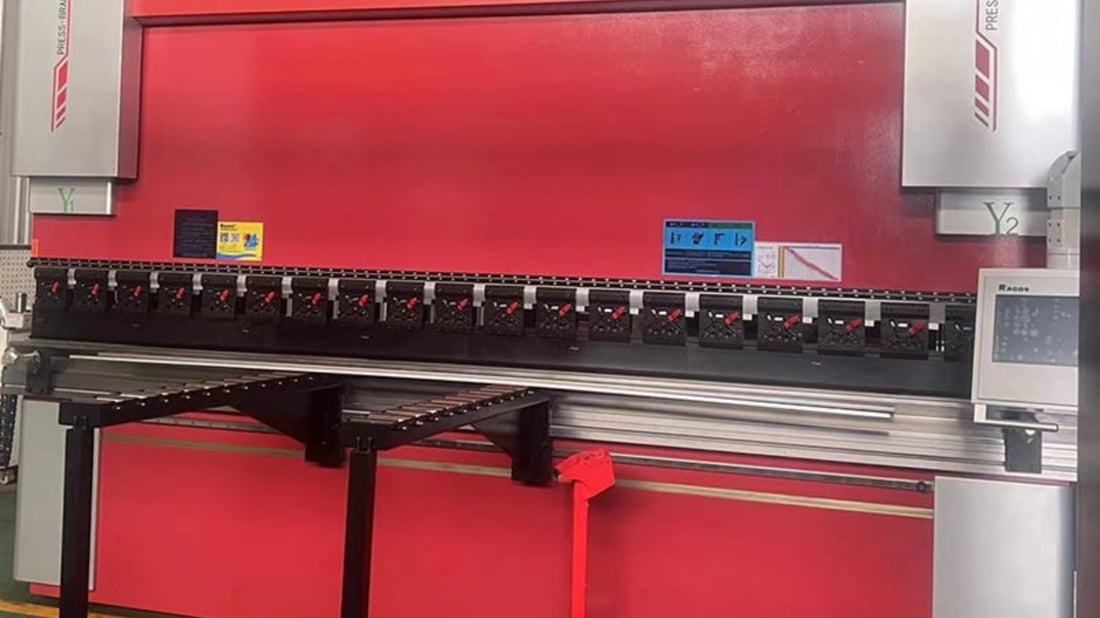
The metal bending process is a fundamental manufacturing technique used to shape metal materials into desired angles and curves without breaking or cracking. It involves deforming metal sheets or bars by applying force, enabling the transformation of flat metal into complex shapes required across various industries. Understanding the basics of the metal bending process is essential for manufacturers aiming to produce durable and precise components.
Types of Metal Bending Techniques
Several metal bending techniques exist, each suited for different applications. Common methods include air bending, bottoming, roll bending, and rotary draw bending. Air bending allows some springback and is flexible for various angles, while bottoming offers more precision by forcing metal into a die. Roll bending is ideal for creating large curves, and rotary draw bending produces tight bends with minimal deformation, catering to diverse metal forming needs.
Materials Suitable for Metal Bending
Not all metals respond the same way during the metal bending process. Commonly bent metals include steel, aluminum, copper, brass, and stainless steel. Each metal varies in ductility and strength, influencing how it bends and the necessary tools and force. For example, aluminum bends easily but can crack if overworked, whereas stainless steel requires higher force due to its toughness, making material selection critical in process planning.
Equipment Used in the Metal Bending Process
The metal bending process utilizes various machines and tools to achieve the desired shape. Press brakes, bending rolls, and tube benders are among the primary equipment. Press brakes apply controlled pressure to bend sheet metal, while bending rolls form curves in thicker materials. Tube benders specialize in shaping pipes and tubes without flattening or damaging the cross-section, highlighting the importance of the right equipment for quality outcomes.
Role of Heat and Cold Bending
Metal bending can be performed at ambient temperature (cold bending) or with heat application (hot bending). Cold bending is common for metals that exhibit adequate ductility, preserving mechanical properties and surface finish. Hot bending involves heating the metal to increase pliability, making it easier to form thicker or harder metals. Understanding when to apply heat enhances efficiency and prevents material failure during the metal bending process.
Design Considerations in Metal Bending
Successful metal bending requires careful design consideration to avoid issues like cracking, wrinkling, or excessive springback. Factors such as bend radius, metal thickness, grain direction, and bend allowance must be calculated accurately. Proper planning ensures the metal bending process yields parts within required tolerances and minimizes material waste, contributing to cost savings and product reliability.
Common Applications of the Metal Bending Process
The metal bending process is widely used in industries such as automotive, aerospace, construction, and furniture manufacturing. It enables the fabrication of components like chassis frames, aircraft panels, structural supports, and decorative elements. Its versatility makes it indispensable in producing both functional and aesthetic metal parts, underscoring its significance in modern manufacturing.
Challenges in the Metal Bending Process
Despite its widespread use, the metal bending process poses challenges including material springback, tool wear, and maintaining precision. Springback, where metal partially returns to its original shape, demands compensation during bending. Tool wear affects consistency and may increase downtime for maintenance. Addressing these challenges through process control and tool selection optimizes productivity and part quality.
Quality Control in the Metal Bending Process
Ensuring high-quality outcomes in the metal bending process involves inspection techniques like dimensional checks, visual examination for cracks, and stress testing. Automated sensors and measurement systems can detect deviations early, allowing immediate adjustments. Maintaining strict quality control standards leads to reliable products, reduces rework, and enhances customer satisfaction.
Future Trends in the Metal Bending Process
Advancements in technology are shaping the future of the metal bending process. Innovations such as CNC-controlled bending machines, adaptive tooling, and integration with Industry 4.0 networks improve accuracy and efficiency. Additionally, new materials and process simulation software further refine bending strategies, promising reduced costs and enhanced capabilities for complex metal forming tasks.
Quote Inquiry
contact us