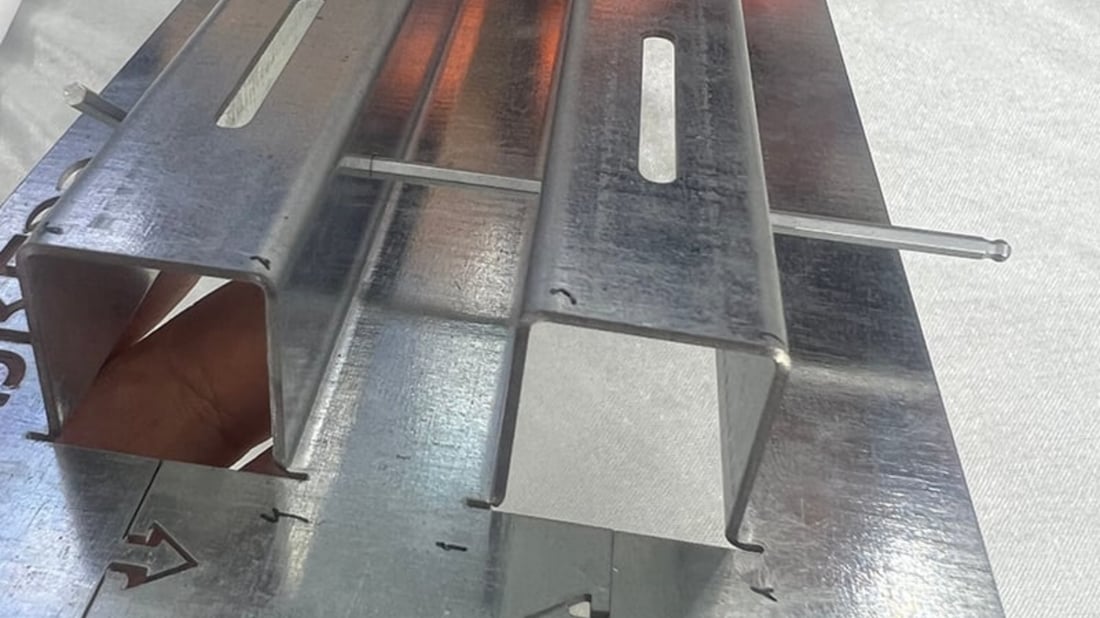
Sheet metal bending is a critical manufacturing process that involves deforming metal sheets to desired angles and shapes without compromising structural integrity. It plays a vital role in industries like automotive, aerospace, construction, and electronics. The process transforms flat metal sheets into functional parts and components, making it indispensable for producing everything from simple brackets to complex enclosures.
Types of Sheet Metal Bending Techniques
Various bending techniques exist to suit different manufacturing needs, including air bending, bottoming, and coining. Air bending allows flexibility in angles, while bottoming offers higher precision by pressing the sheet completely into the die. Coining applies high pressure for detailed and sharp bends. Choosing the right technique depends on factors like material thickness, bend radius, and production volume.
Materials Suitable for Sheet Metal Bending
Common materials used in sheet metal bending include aluminum, stainless steel, brass, copper, and mild steel. Each material has distinct properties affecting bendability, such as ductility and yield strength. Aluminum, for instance, is lightweight and easy to bend, whereas stainless steel requires more force but offers superior corrosion resistance. Understanding material characteristics is essential for optimizing bend quality.
Importance of Bend Radius in Sheet Metal Bending
The bend radius—the inside curve of the bent metal—significantly influences the strength and appearance of the final product. A smaller bend radius may cause cracking or deformation, especially in thicker materials. Industry guidelines recommend selecting an appropriate radius proportionate to sheet thickness to prevent damage and maintain mechanical integrity.
Sheet Metal Bending Tools and Machinery
Sheet metal bending is executed using specialized equipment such as press brakes, finger brakes, and roll benders. Press brakes are the most commonly used machines, capable of producing precise and repeatable bends with the aid of CNC controls. Roll benders are effective for creating large radius bends and cylindrical shapes. Selecting suitable machinery enhances efficiency and accuracy.
Role of CNC in Modern Sheet Metal Bending
Computer Numerical Control (CNC) technology has revolutionized sheet metal bending by automating complex bends and ensuring high repeatability. CNC press brakes can store multiple programs, allowing quick changeovers between jobs. This technology reduces human error, shortens production times, and elevates the consistency of manufactured parts.
Common Challenges in Sheet Metal Bending
Sheet metal bending faces challenges such as springback, cracking, and surface marks. Springback occurs when the metal tries to return to its original shape after bending, requiring compensation during the process. Cracking is often caused by excessive bending strain or unsuitable materials. Overcoming these challenges demands precise tool selection, process control, and material understanding.
Applications of Sheet Metal Bending Across Industries
Sheet metal bending finds application in making automotive panels, aircraft components, HVAC ducts, kitchen appliances, and electronic enclosures. Its versatility and cost-effectiveness make it a preferred choice for both prototyping and mass production. Bending allows designers to create lightweight, durable, and aesthetically pleasing parts tailored to specific requirements.
Environmental and Economic Benefits of Sheet Metal Bending
Efficient sheet metal bending reduces material waste since shapes are formed without cutting away large portions, promoting sustainability. Additionally, bending requires less energy compared to alternative manufacturing methods such as casting or machining. These advantages translate to lower production costs and smaller environmental footprints.
Future Trends in Sheet Metal Bending
Advancements in robotics, AI-driven automation, and advanced materials are shaping the future of sheet metal bending. Robotic arms integrated with sensors enhance precision and safety, while AI optimizes process parameters in real-time. Furthermore, development of ultra-thin and composite sheets expands design possibilities, ensuring sheet metal bending remains a cornerstone of manufacturing innovation.
Quote Inquiry
contact us