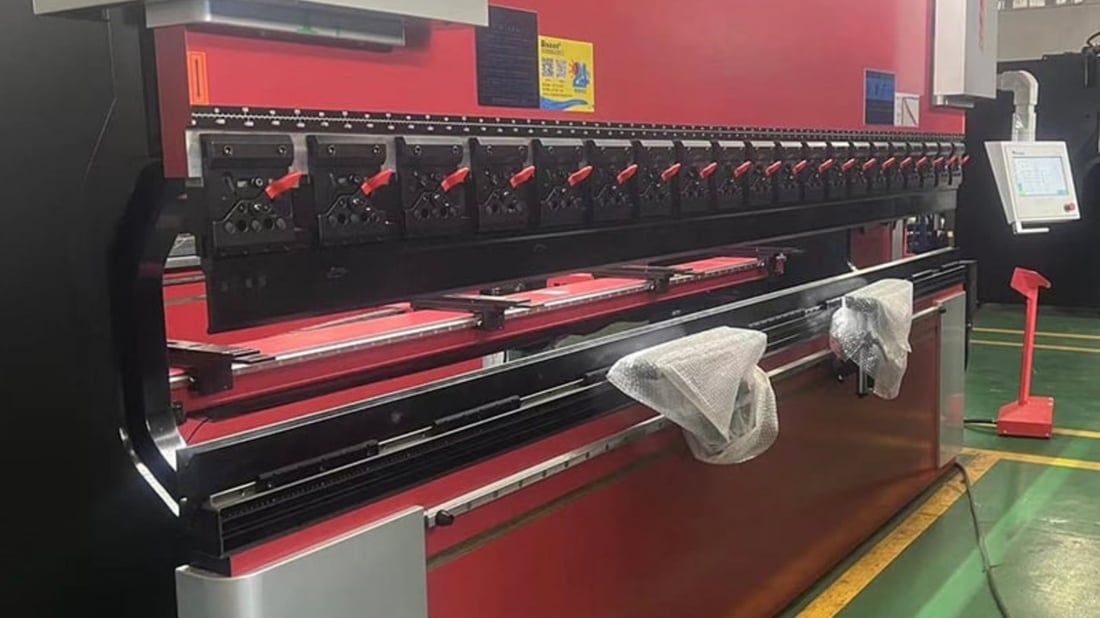
Hydraulic bending machines are essential tools used in metal fabrication to bend and shape metal sheets, tubes, and profiles with precision. Utilizing hydraulic pressure, these machines provide controlled force rather than relying on manual labor or mechanical leverage alone. This modern approach offers increased accuracy and efficiency, especially for industrial manufacturing processes. Understanding the basic mechanics and purpose of hydraulic bending machines is crucial for industries seeking reliable metal forming solutions.
How Hydraulic Bending Machines Operate
The core operation of a hydraulic bending machine involves a hydraulic cylinder and pump system that delivers pressure to a ram, which in turn applies force to bend metal workpieces. The hydraulic fluid flows under pressure to move pistons, creating consistent and measurable bending force. This controllable system enables precise angle adjustment and uniform bends, adapting to various thicknesses and materials. The hydraulic system’s versatility accounts for its widespread adoption in different bending tasks.
Key Components and Design Features
Critical components of a hydraulic bending machine include the hydraulic pump, control valves, bending dies, ram, and frame structure. The bending dies or tooling come in various shapes to accommodate specific bending requirements. Advanced machines incorporate CNC controls for automated bending sequences, improving repeatability and efficiency. The robust frame construction ensures stability and safety during high-force operations, while the hydraulic system’s design supports smooth and responsive bending actions.
Advantages of Using Hydraulic Bending Machines
Hydraulic bending machines offer several benefits compared to mechanical or manual alternatives. They deliver higher bending force with minimal operator effort, allowing for the forming of thicker and harder metals. The hydraulic pressure can be finely regulated, leading to more precise and consistent bends. Additionally, these machines typically allow for quicker setup and changeover, improving productivity. Their reliability and lower maintenance requirements make them valuable investments for metal fabrication workshops.
Common Applications in Industry
Industries such as automotive, aerospace, construction, and manufacturing frequently utilize hydraulic bending machines to fabricate parts and components. From bending steel tubes for vehicle frames to shaping metal panels for architectural facades, their use is diverse. Custom metal goods and industrial equipment production also depend heavily on the precision and control afforded by hydraulic bending machines. Their adaptability to different metal types and thicknesses makes them indispensable tools in many sectors.
Types of Hydraulic Bending Machines
Hydraulic bending machines come in several variations based on design and bending method. Popular types include press brakes, pipe benders, and angle bending machines. Press brakes use a punch and die to bend metal sheets, while pipe benders focus on the curvature of round tubing. Some machines incorporate multiple bending axes and automated feeding mechanisms to handle complex bending operations. Selecting the right type depends on the specific manufacturing requirements and material specifications.
Maintenance and Safety Considerations
Maintaining hydraulic bending machines involves regular inspection and servicing of hydraulic fluid levels, seals, and mechanical parts to prevent leaks and ensure optimal performance. Operator safety is paramount, requiring proper training and the use of safety devices such as guards, emergency stops, and pressure relief valves. Adhering to recommended maintenance schedules extends machine lifespan and prevents costly downtime. Following safety protocols also reduces the risk of workplace accidents during bending operations.
Advancements in Hydraulic Bending Technology
Recent developments in hydraulic bending machine technology have focused on enhancing automation, precision, and energy efficiency. Integration with CNC controls and computer-aided design (CAD) software allows for programmable bending sequences and rapid prototyping. Energy-saving hydraulic pumps and improved sealing materials contribute to more environmentally friendly operation. These advancements support the growing demand for complex, high-quality metal components in industries worldwide.
Environmental Impact and Sustainability
Hydraulic bending machines, when used efficiently, can contribute to sustainable manufacturing by reducing material waste through precise bending and minimizing the need for scrap or rework. Modern machines often employ energy-efficient hydraulic systems that reduce power consumption. Additionally, proper handling and recycling of hydraulic fluids help mitigate environmental impact. Sustainable practices in operating hydraulic bending machines align with global efforts to enhance eco-friendly production processes.
Future Trends and Market Outlook
The future of hydraulic bending machines looks promising, driven by increasing demand for customized metal parts and the expansion of manufacturing sectors in emerging markets. Technological integration with Industry 4.0 and smart factory solutions will enable real-time monitoring and predictive maintenance. Additive manufacturing combined with hydraulic bending could lead to innovative hybrid fabrication processes. Overall, hydraulic bending machines remain a vital part of metalworking, adapting continuously to evolving industrial needs.
Quote Inquiry
contact us