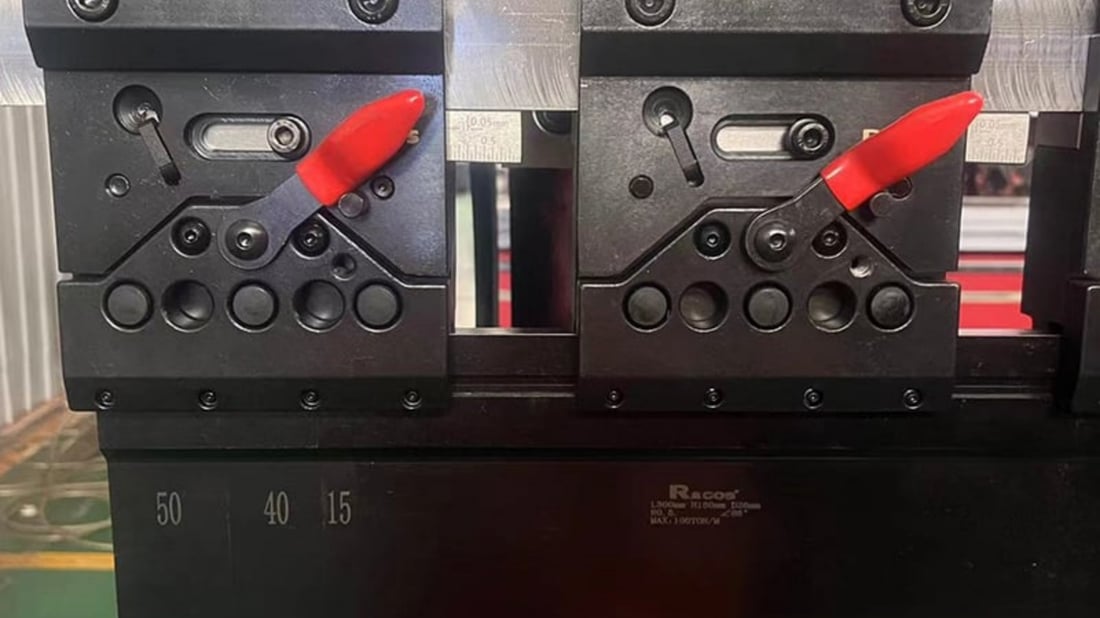
A CNC bending machine is a precision tool using computer numerical control technology to automate the bending of sheet metal and other materials. These machines have revolutionized fabrication processes by enhancing accuracy, speed, and repeatability compared to manual bending methods. By integrating advanced software with mechanical components, CNC bending machines execute complex bend sequences with minimal human intervention.
Core Components and Mechanism
A typical CNC bending machine consists of a controller, hydraulic or electric press, bending tools, and backgauges. The controller interprets digital designs and directs the machine’s movements with high precision. Hydraulic cylinders or servo motors drive the bending tools, while programmable backgauges position the workpiece accurately for repetitive bends. These components collaborate to deliver consistent bends critical for intricate metal fabrication.
Types of CNC Bending Machines
Various types of CNC bending machines exist, including press brakes, pipe and tube bend machines, and section bending machines. Press brakes handle sheet metal in flat or square forms, pipe and tube benders focus on cylindrical materials, and section benders cater to unique profiles like angles and channels. Each machine type addresses specific industrial demands related to materials and geometry.
Advantages Over Traditional Bending Methods
CNC bending machines provide superior precision, faster production cycles, and reduced material waste. Automated controls eliminate human errors, allowing for complex bends and repeatability on large production runs. Furthermore, CNC systems enable flexible adjustments in design without modifying tooling, which decreases setup times and increases overall manufacturing efficiency.
Software Integration and Programming
Modern CNC bending machines rely heavily on specialized CAD/CAM software to convert design files into actionable programs. Operators can simulate bend sequences, visualize outcomes, and optimize parameters before actual production. This software integration reduces errors, ensures quality, and supports quick adaptation to changing product specifications essential in industries with tight tolerances.
Applications Across Industries
The versatility of CNC bending machines allows their use in automotive, aerospace, construction, and appliance manufacturing. These machines produce components such as brackets, frames, exhaust systems, and architectural elements. Their ability to handle diverse materials, including stainless steel, aluminum, and carbon steel, makes them indispensable in various fabrication environments.
Material Compatibility and Limitations
CNC bending machines accommodate a wide range of metals, but material properties like thickness, ductility, and tensile strength determine bendability. Highly brittle or thick materials may require specific tooling or slower bending speeds to prevent cracks. Understanding these limitations is crucial to maximizing machine performance and avoiding material damage.
Maintenance and Operational Costs
Routine maintenance such as lubrication, inspection, and calibration extends the lifespan of CNC bending machines. Though initial investment costs are higher than manual machines, the improved productivity and lower error rates typically offset expenses over time. Preventive maintenance minimizes downtime, maintaining consistent throughput in demanding manufacturing settings.
Future Trends in CNC Bending Technology
Emerging trends include the integration of artificial intelligence, IoT connectivity for real-time monitoring, and adaptive bending processes that self-correct based on material variations. These innovations promise to make CNC bending machines smarter, more energy-efficient, and capable of producing even more complex geometries with increased speed and precision.
Choosing the Right CNC Bending Machine
Selecting an appropriate CNC bending machine depends on factors like production volume, material types, bend complexity, and budget. Evaluating machine specifications, tooling options, and software compatibility ensures alignment with manufacturing goals. Working with reputable manufacturers who offer training and support enhances long-term success in leveraging CNC bending technology.
Quote Inquiry
contact us