

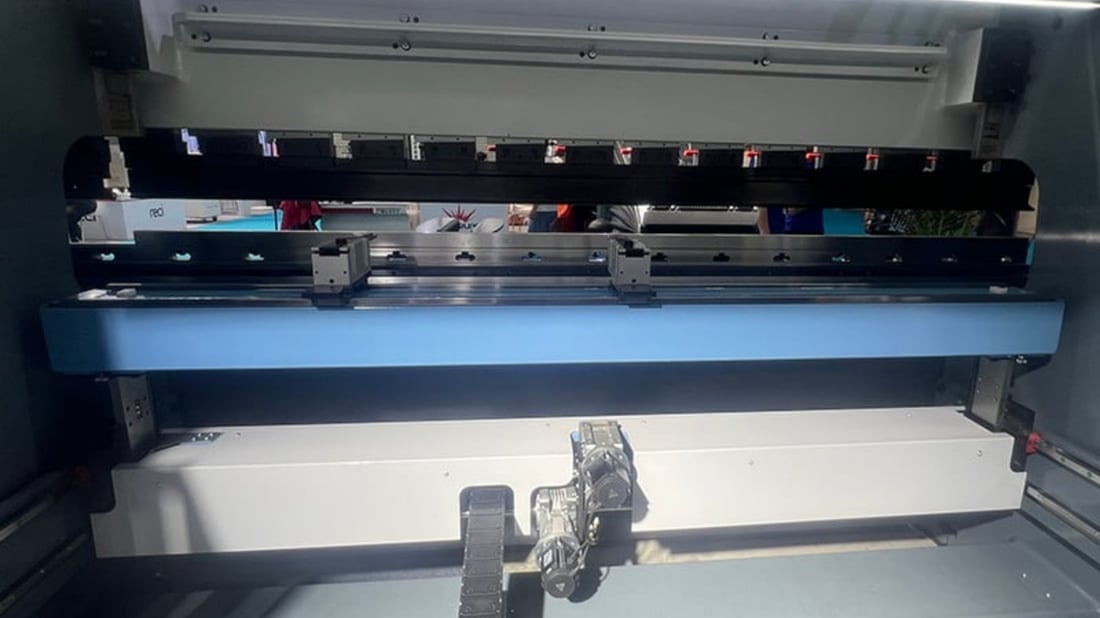
Precision bending machines are specialized equipment designed to bend metal sheets and profiles with exceptional accuracy and consistency. Unlike traditional bending methods, these machines utilize advanced technology to ensure each bend matches exact specifications, minimizing errors and waste. Their application spans various industries, such as automotive, aerospace, and construction, where precise metal forming is critical.
The heart of a precision bending machine lies in its combination of CNC (Computer Numerical Control) systems and sophisticated hydraulic or electric bending mechanisms. CNC control allows automatic adjustment of bending angles, lengths, and radius with high repeatability. Advanced sensors and feedback systems further enhance precision by continuously monitoring the bending process, enabling real-time corrections.
Several types of precision bending machines cater to different fabrication needs. Press brakes are commonly used for sheet metal bending, while tube and pipe bending machines focus on cylindrical shapes. Roll bending machines are utilized for creating curved metal surfaces with consistent radius. Each variant integrates precision technology tailored for specific materials and geometries.
Precision bending machines offer numerous advantages compared to manual or less advanced bending tools. Enhanced accuracy reduces material waste and rework costs. Automation increases throughput and consistency, while programmable settings enable complex bending sequences without extensive operator intervention. These features translate to higher productivity and better product quality.
These machines accommodate a wide range of materials including steel, aluminum, copper, and specialized alloys. Precision bending machines are particularly effective for high-strength materials where conventional bending could cause cracks or deformation. Their ability to apply carefully controlled forces ensures the integrity of the metal's surface and structure.
Precision bending machines find applications in numerous sectors. In automotive manufacturing, they shape chassis and body components with tight tolerances. Aerospace industries use them to produce complex, lightweight structural parts. Architectural firms rely on precision bending to create metal frameworks and decorative elements. Their versatility makes them essential tools in modern fabrication.
Modern precision bending machines offer customizable tooling and programmable bending sequences, accommodating diverse project requirements. Operators can switch between different dies and adjust parameters to fit varying thicknesses and bending angles. This flexibility enables manufacturers to handle small batch production and prototyping alongside mass production.
To maintain accuracy and prolong the operational lifespan of precision bending machines, regular maintenance is crucial. This includes lubrication of moving parts, calibration of sensors and CNC components, and inspection of hydraulic systems. Proper upkeep ensures consistent performance and reduces the risk of downtime in a production environment.
Although precision bending machines represent a significant initial investment, the benefits in precision, speed, and waste reduction often justify the cost. Improved product quality can lead to higher customer satisfaction and fewer returns. Over time, the efficiency gains contribute to a favorable return on investment, especially for companies with high-volume or complex bending requirements.
The future of precision bending machines is shaped by advancements in automation, artificial intelligence, and connectivity. Integration with Industry 4.0 platforms allows remote monitoring and predictive maintenance. AI-powered programming can optimize bending sequences for energy efficiency and material saving. These innovations will enhance machine intelligence, further improving precision and operational efficiency.