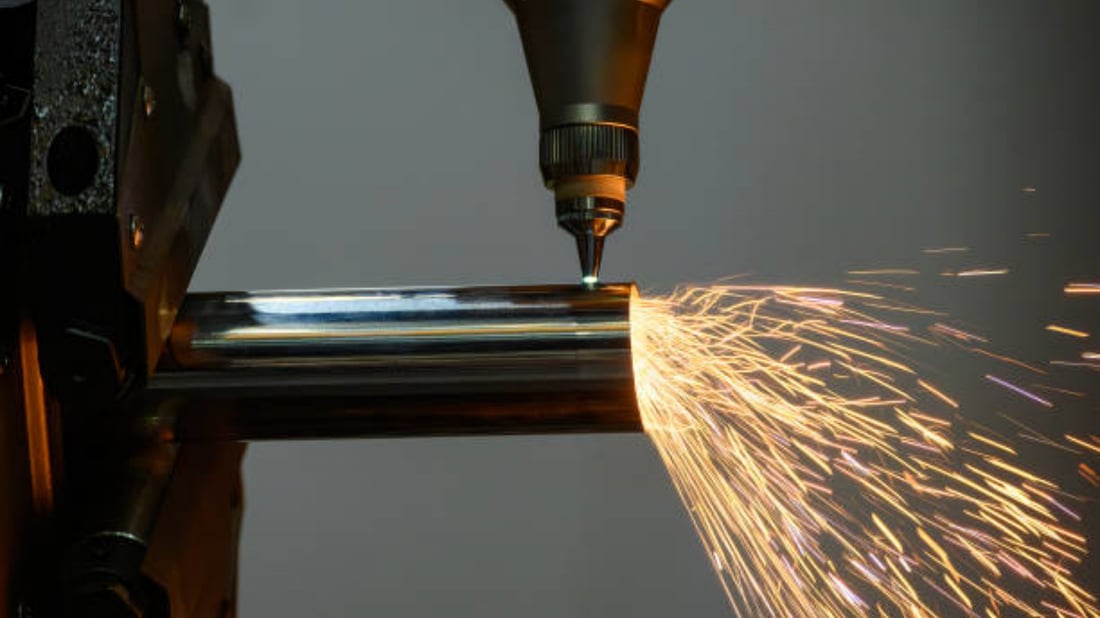
Pipe laser cutting speed optimization is critical for enhancing productivity while maintaining precision in industrial manufacturing. Efficient speed parameters reduce production time and minimize material waste, making the process cost-effective. By optimizing cutting speed, manufacturers can achieve a balance between speed and quality, ensuring clean edges without compromising structural integrity.
Factors Influencing Pipe Laser Cutting Speed Optimization
Several factors impact pipe laser cutting speed optimization, including material type, thickness, laser power, and focus quality. Different metals and alloys require tailored speeds to achieve optimal results. Understanding these variables allows operators to adjust speed effectively and avoid defects such as dross formation or incomplete cuts.
The Role of Laser Power and Beam Quality in Speed Optimization
Laser power and beam quality directly affect how fast and accurately pipes can be cut. Higher laser power allows for faster cutting speeds but must be balanced with beam focus and spot size. Optimizing these parameters enhances cutting efficiency while preserving the quality of edges and surfaces on pipes.
Material Characteristics and Their Impact on Cutting Speed
The physical and chemical properties of pipe materials—such as thermal conductivity, reflectivity, and hardness—play a vital role in defining pipe laser cutting speed optimization. For instance, stainless steel may require slower speeds compared to aluminum to ensure precise cuts without burning or warping.
Technological Advances in Pipe Laser Cutting Speed Optimization
Recent advancements like adaptive control systems and real-time monitoring have revolutionized pipe laser cutting speed optimization. These technologies automatically adjust speeds based on observed cutting parameters, reducing errors and maximizing throughput while maintaining high-quality weld preparations.
Software Integration for Enhanced Cutting Speed Management
Integration of specialized software into laser cutting machinery helps automate the pipe laser cutting speed optimization process. CNC and CAM software programs analyze pipe geometry and material to suggest ideal speeds, streamlining production workflows and reducing operator error.
Cooling and Assist Gas Effects on Cutting Speed Optimization
The use of appropriate assist gases—such as oxygen, nitrogen, or air—impacts cutting speed by affecting the oxidation and blow-away of molten material. Proper selection and pressure of these gases are essential components of pipe laser cutting speed optimization, influencing both speed and cut quality.
Impact of Pipe Geometry and Size on Speed Optimization
Variations in pipe diameter, wall thickness, and curvature require specific adjustments to cutting speeds. Complex geometries or thicker sections typically demand slower speeds to maintain precision, emphasizing the importance of tailored pipe laser cutting speed optimization for diverse applications.
Operator Skill and Training in Speed Optimization Practices
Skilled operators are fundamental to executing pipe laser cutting speed optimization effectively. Training ensures workers understand machine capabilities, material behaviors, and troubleshooting techniques, allowing them to adjust speed settings dynamically to achieve the best balance between speed and cut quality.
Measuring and Improving Efficiency Through Speed Optimization
Continuous measurement of output quality, cutting speed, and machine wear helps identify opportunities for pipe laser cutting speed optimization. Implementing best practices and incremental improvements leads to reduced cycle times and cost savings, ultimately boosting overall manufacturing efficiency.
Quote Inquiry
contact us