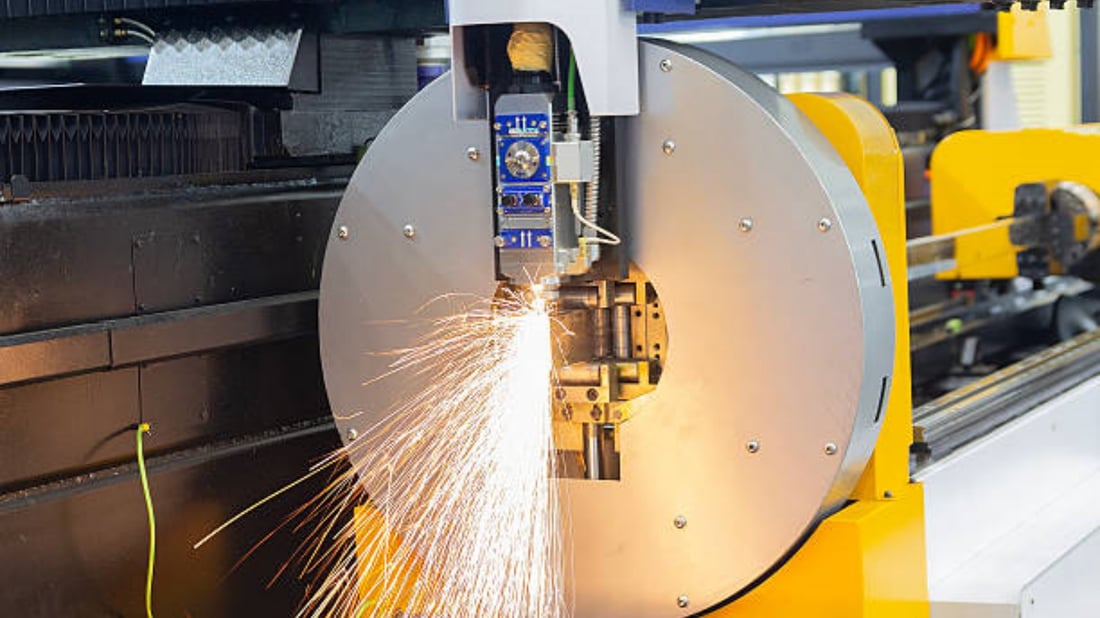
Pipe laser cutting material compatibility refers to the suitability of various materials for precision laser cutting processes. This compatibility directly impacts cut quality, efficiency, and overall production outcomes. Knowing which materials interact best with laser technology ensures optimized performance and reduces operational issues during pipe fabrication.
Types of Materials Used in Pipe Laser Cutting
Common materials compatible with pipe laser cutting include stainless steel, carbon steel, aluminum, copper, and various alloys. Each material presents unique challenges and advantages, such as different melting points, reflectivity, and thermal conductivity, which influence the effectiveness and quality of laser cuts.
The Role of Material Thickness in Compatibility
Material thickness significantly affects pipe laser cutting material compatibility. Thicker materials require more powerful lasers and slower cutting speeds for clean results. Proper calibration depending on thickness ensures minimal thermal distortion and preserves pipe structural integrity after cutting.
Effect of Material Reflectivity on Laser Cutting
High reflectivity materials like copper and aluminum pose challenges in pipe laser cutting material compatibility due to potential laser beam reflection. This can reduce cutting effectiveness and increase equipment wear. Specialized laser settings or coating techniques may be necessary to enhance compatibility.
Thermal Properties Influencing Laser Cutting
Thermal conductivity and melting points influence pipe laser cutting material compatibility. Materials with high thermal conductivity dissipate heat quickly, aiding controlled cuts, whereas materials with low melting points risk warping. Understanding these properties helps optimize cutting parameters.
Choosing the Right Laser Type for Material Compatibility
Different lasers—fiber, CO2, and disk lasers—offer varying compatibility levels with pipe materials. Fiber lasers, for instance, excel with metals due to higher absorption rates, aligning well with pipe laser cutting material compatibility requirements especially for stainless steel and carbon steel.
Surface Condition Impact on Material Compatibility
Surface cleanliness and coating impact pipe laser cutting material compatibility. Rust, dirt, or paint can cause uneven absorption of laser energy, resulting in poor edge quality or inconsistent cuts. Pre-processing steps like cleaning and surface preparation improve compatibility and cut precision.
Impact of Alloy Composition on Laser Cutting
Alloy components affect pipe laser cutting material compatibility by altering melting behavior and thermal conductivity. For example, stainless steel alloys with different chromium or nickel content will respond uniquely to laser cutting, requiring tailored machine settings for optimal performance.
Environmental Factors Affecting Compatibility
Ambient conditions such as temperature, humidity, and gas environments influence pipe laser cutting material compatibility. The use of assist gases like oxygen or nitrogen interacts differently with materials during cutting, affecting cut edge quality and oxidation levels.
Innovations Enhancing Material Compatibility
Recent advancements in laser technology and cutting techniques continue to improve pipe laser cutting material compatibility. Enhanced control systems, adaptive power modulation, and better beam quality enable processing of traditionally challenging materials with higher precision and reduced defects.
Quote Inquiry
contact us