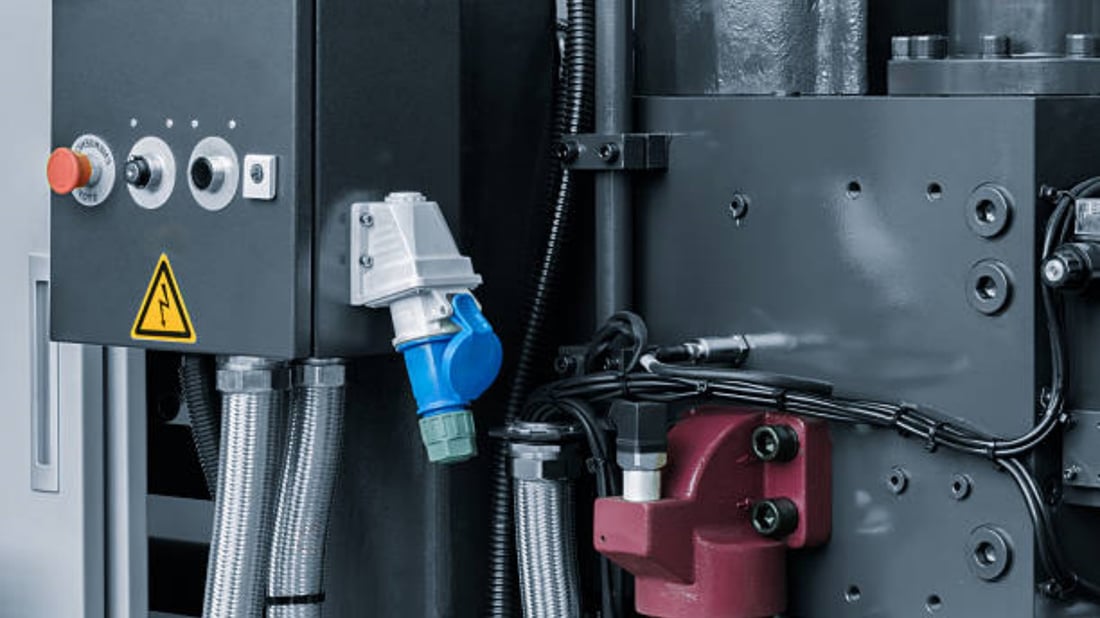
Large work envelope VMC (Vertical Machining Center) applications have become an essential facet of modern manufacturing. These machines provide expansive machining areas which enable the processing of large components or multiple smaller parts in a single setup. The ability to handle sizable workpieces makes these VMCs crucial for industries requiring high precision and efficiency at scale.
Enhanced Productivity Through Larger Workspaces
One of the primary benefits of large work envelope VMC applications is enhanced productivity. With the ability to machine bigger parts or multiple components simultaneously, fewer setups and less downtime occur. This leads to faster turnaround times and reduced labor costs, making production processes more streamlined and cost-effective.
Improved Flexibility in Manufacturing Processes
Large work envelope VMC applications offer unmatched flexibility. Manufacturers can accommodate various product sizes and complex geometries without the constraint of limited machining space. This flexibility is particularly advantageous in aerospace, automotive, and heavy machinery industries, where diverse part dimensions and shapes are common.
Precision and Accuracy Over Extended Ranges
Though the VMC workspace is larger, precision is not compromised. Advanced models maintain high accuracy and repeatability throughout the extensive range of motion. This is essential for applications where tight tolerances on large structures are required, such as wind turbine components or large aerospace parts.
Streamlining Assembly Through Integrated Operations
Large work envelope VMC applications allow multiple operations to be completed within one machine environment. This integration minimizes the need to transfer workpieces between machines, reducing handling errors and assembly times. Consequently, manufacturers benefit from simplified workflows and improved throughput.
Cost Savings from Reduced Part Handling
Using large work envelope VMCs can lead to significant cost savings by lessening part handling and repositioning. Fewer setups reduce the risk of damage, scrappage, and quality issues. These cost efficiencies extend across tooling, labor, and energy consumption, contributing to overall leaner production.
Adaptability to Automation and Industry 4.0
Modern large work envelope VMCs are often compatible with automation solutions such as robotic loaders and pallet changers. This adaptability enables continuous, unattended machining, especially in high-mix low-volume scenarios. Additionally, integration with Industry 4.0 technologies provides real-time data monitoring and process optimization.
Applications in Heavy Industries and Shipbuilding
Large work envelope VMC applications are critical in heavy industries like shipbuilding and energy generation. These sectors require machining of very large metal plates and assemblies, where conventional machinery falls short. The substantial machining volume available in large work envelope VMCs meets these demanding requirements efficiently.
Material Versatility and Multi-Axis Machining
These VMCs can handle a wide variety of materials ranging from aluminum and steel alloys to titanium and composites. Combined with multi-axis capabilities, large work envelope VMC applications facilitate complex part geometries. This versatility broadens the potential applications across industries including defense, aerospace, and automotive.
Space Utilization and Shop Floor Optimization
While large work envelope VMCs occupy more floor space, they optimize overall shop floor productivity. By consolidating multiple processes into one machine, manufacturers can reduce the need for various machining centers, thereby freeing space and increasing operational efficiency. Proper layout planning maximizes these benefits.
Future Trends and Innovations in Large Work Envelope VMCs
Ongoing advancements promise even greater capabilities in large work envelope VMC applications. Innovations include enhanced spindle speeds, increased automation, hybrid additive-subtractive processes, and improved energy efficiency. These trends aim to further boost precision, speed, and sustainability in machining large components.
Quote Inquiry
contact us