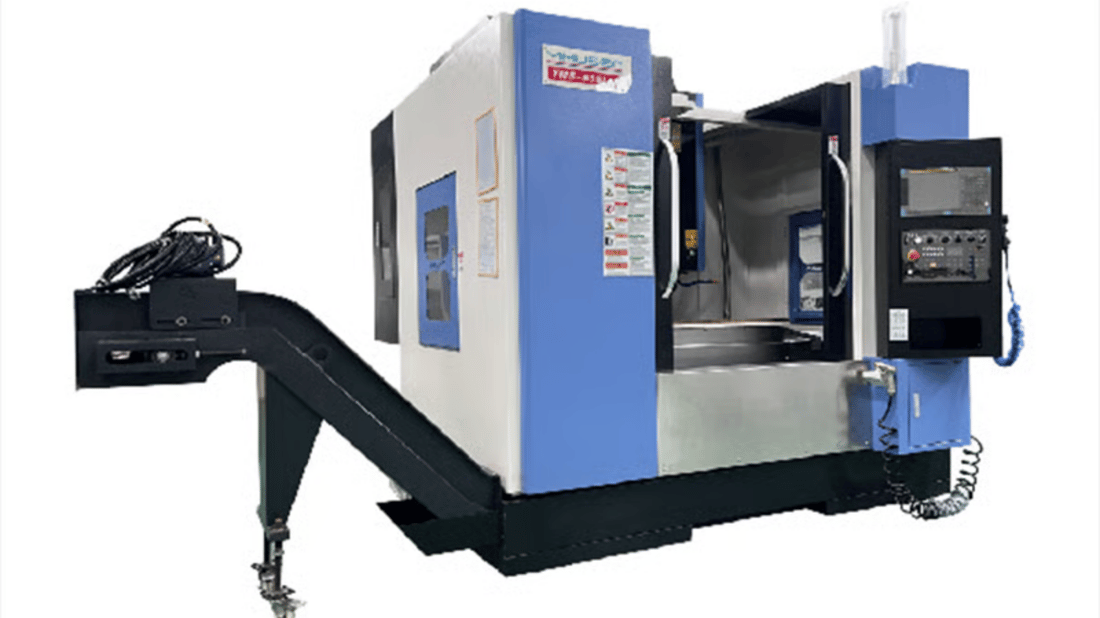
Large stroke vertical machining centers are advanced CNC machines designed to handle extensive travel distances along the Z-axis. These machines provide expanded vertical movement, enabling the processing of taller workpieces and complex geometries that standard machining centers cannot accommodate. Their ability to perform precise vertical operations over a large stroke range makes them invaluable in various manufacturing sectors.
Key Features That Define Large Stroke Vertical Machining Centers
A defining feature of large stroke vertical machining centers is the substantial vertical travel distance, often exceeding 600mm or more. This extended stroke allows for machining deeper cavities, taller components, and larger assemblies without compromising precision. Other features include robust spindle configurations, enhanced rigidity, and high-speed tool changers designed to support heavy-duty machining tasks.
Advantages in Manufacturing High-Complexity Components
The large stroke of these vertical machining centers enhances their versatility, enabling manufacturers to produce intricate parts with considerable depth and height. This capability is especially beneficial for aerospace, automotive, and heavy equipment sectors where components often require deep drilling, slotting, and profiling in thick materials. Enhanced machine accuracy reduces the need for secondary operations and improves overall production efficiency.
Material Compatibility and Machining Flexibility
Large stroke vertical machining centers are engineered to work with a wide range of materials, including metals like aluminum, steel, titanium, and composite materials. Their rigid construction ensures stability during the machining of hard alloys, which is crucial for maintaining precision. Additionally, these centers support multiple tooling configurations allowing for milling, drilling, tapping, and boring in a single setup.
Impact on Production Efficiency and Workflow
Incorporating a large stroke vertical machining center into production lines can streamline workflows by reducing the need for repositioning or multiple setups. The extended vertical travel accommodates larger workpieces, reducing handling time and potential errors. Automated tool changers and programming optimizations further enhance throughput, ensuring consistent high-quality output in less time.
Technological Enhancements and Automation Integration
Modern large stroke vertical machining centers often integrate advanced CNC controllers with user-friendly interfaces, IoT connectivity, and adaptive control systems. These technologies facilitate real-time monitoring, predictive maintenance, and seamless integration with factory automation systems. Automation capabilities, including robotic loading and unloading, increase overall equipment effectiveness and reduce labor costs.
Customization Options for Specialized Applications
Manufacturers can customize large stroke vertical machining centers to suit specific application requirements. Options include varied spindle speeds, coolant delivery systems, specialized tool holders, and expanded work envelope dimensions. Such customization enables solutions tailored for niche industries, like mold making, die casting, and power generation sectors, where precision and capacity are essential.
Maintenance and Longevity Considerations
Due to their scale and complexity, maintaining large stroke vertical machining centers requires regular inspection and servicing to preserve accuracy and performance. Proper lubrication, alignment checks, and spindle maintenance ensure the longevity of these machines. Investing in high-quality components and employing skilled operators also contributes to reducing downtime and extending machine life.
Economic Impact and Return on Investment
While large stroke vertical machining centers represent a significant initial investment, their ability to consolidate multiple machining processes into one setup offers considerable cost savings over time. Reduced labor, faster cycle times, and minimal tooling waste improve profit margins. For businesses focused on scaling production of large or complex parts, these machines provide an attractive return on investment.
Future Trends and Innovations in Large Stroke Vertical Machining Centers
Emerging trends in large stroke vertical machining centers include increased automation, AI-driven process optimization, and enhanced multi-axis capabilities. Advances in materials and structural design are pushing the limits of machining larger and more complex components with improved precision. Integration with digital manufacturing ecosystems promises further enhancements in efficiency and quality, shaping the future of large-stroke vertical machining technology.
Quote Inquiry
contact us