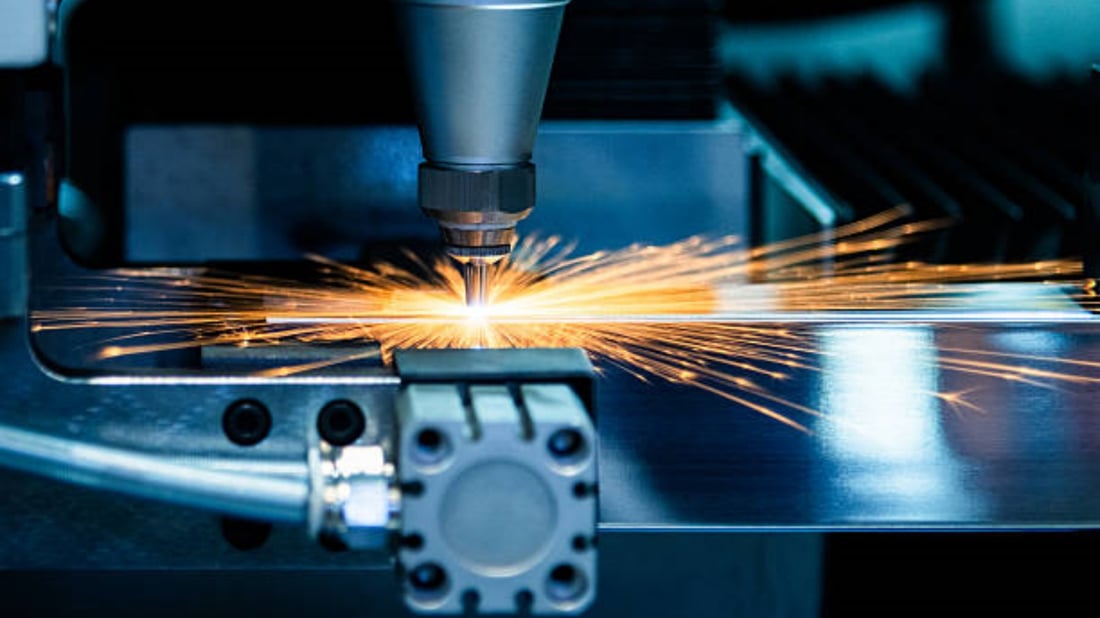
Understanding Common CNC Laser Cutter Errors
CNC Laser Cutter Troubleshooting begins with recognizing frequent errors encountered during operation. These issues can range from misaligned cuts, inconsistent power output, to unexpected pauses in the cutting process. Identifying error codes and understanding their meanings is critical to swiftly addressing faults and minimizing downtime.
Diagnosing Laser Power Fluctuations
Fluctuations in laser power can significantly affect cut quality. Common causes include dirty lenses, improper focus settings, or degraded laser tubes. Regular inspection and cleaning of laser optics, along with replacing worn components, can stabilize power output and ensure precision cutting.
Addressing Alignment Problems in the CNC Laser Cutter
Misalignment can cause inaccurate cuts and material wastage. Troubleshooting alignment involves checking the mirrors, laser head positioning, and calibration of the CNC machine. Proper alignment ensures the laser beam accurately targets the intended cutting path, improving efficiency and part quality.
Troubleshooting Software and Firmware Issues
Software glitches or firmware incompatibilities frequently hinder CNC laser cutter performance. Ensuring the machine’s control software is up-to-date and free from bugs is essential. Sometimes reinstalling or resetting software parameters can resolve communication errors between the CNC controller and the laser cutter hardware.
Overcoming Material Compatibility Challenges
Not all materials behave the same under laser cutting conditions. Wood, acrylic, metal, or fabric each require specific power and speed settings. CNC laser cutter troubleshooting includes adjusting parameters to match material properties, preventing burn marks, melting, or incomplete cuts.
Managing Cooling System Failures
The cooling system safeguards the laser tube from overheating. A malfunction in the cooling unit can lead to reduced laser performance or damage. Regular maintenance, such as monitoring coolant levels, inspecting pumps, and cleaning filters, is crucial to prevent overheating and extend machine lifespan.
Resolving Mechanical Component Wear and Tear
Mechanical wear, such as worn belts, loose rails, or faulty bearings, affects the accuracy and smooth operation of CNC laser cutters. Troubleshooting mechanical issues involves periodic inspection, lubrication, and replacement of worn parts to maintain the precise movement necessary for quality cuts.
Investigating Inconsistent Cutting Depths
Inconsistent cutting depths often point to issues with focus height, laser power settings, or material irregularities. Adjusting the focal length and calibrating power settings according to the material thickness ensures uniform penetration and clean cuts throughout the process.
Handling Communication Problems Between Components
CNC laser cutter troubleshooting must also cover communication errors between the computer interface, controller board, and laser hardware. Faulty cables, incorrect port configurations, or electromagnetic interference can disrupt data transfer, leading to failed commands or erratic machine behavior.
Implementing Preventive Maintenance for Long-Term Reliability
Regular preventive maintenance is vital in reducing CNC laser cutter troubleshooting incidents. Scheduled cleaning, system checks, software updates, and component replacements enhance machine reliability. Developing a maintenance routine based on manufacturer guidelines helps avoid unexpected breakdowns and maximizes operational uptime.
Quote Inquiry
contact us