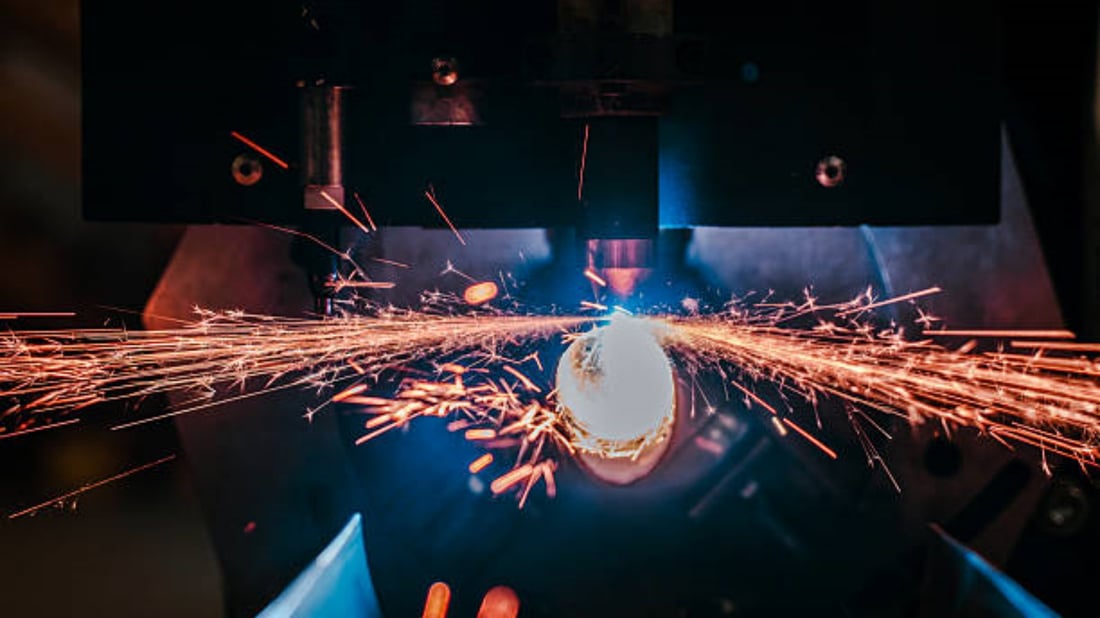
Operating CNC laser cutters demands strict adherence to safety protocols due to the inherent risks associated with high-powered lasers. Effective CNC laser cutter safety practices prevent accidents, minimize injuries, and ensure a productive work environment by reducing downtime caused by accidents. Awareness and training on these practices should be foundational for anyone operating or working near laser cutting machinery.
Proper Personal Protective Equipment (PPE) Usage
Utilizing the correct personal protective equipment is a critical CNC laser cutter safety practice. Operators must wear safety glasses rated for laser protection that match the laser’s wavelength. Additional PPE such as gloves and protective clothing help shield against burns or exposure to harmful fumes. Consistent PPE use significantly lowers the risk of eye damage and skin injuries during laser cutting operations.
Comprehensive Equipment Inspection and Maintenance
Routine inspections and scheduled maintenance of CNC laser cutters are pivotal safety procedures. Checking laser lenses, mirrors, and ventilation systems for damage or contamination ensures that cutters operate safely and efficiently. Regular maintenance helps detect mechanical wear and potential hazards early, preventing malfunctions that could compromise worker safety.
Clear and Accessible Emergency Shutdown Procedures
Knowing how to swiftly shut down CNC laser cutters in an emergency is an indispensable safety practice. Emergency stop buttons should be clearly labeled, easily accessible, and functioning correctly. Operators must be trained in the emergency shutdown process to halt machine operation instantly in case of fire, laser misfire, or system malfunction.
Maintaining Proper Ventilation and Fume Extraction
Laser cutting releases fumes and particulates that can be harmful if inhaled. Installing and maintaining effective ventilation and fume extraction systems is a vital CNC laser cutter safety practice. Ensuring these systems are operational minimizes airborne toxins, safeguarding the respiratory health of operators and nearby personnel.
Safe Material Handling and Positioning
Correct handling and precise positioning of materials within the CNC laser cutter are crucial for safety. Using non-flammable, laser-compatible materials reduces the risk of fires and excessive smoke production. Operators should secure materials firmly to prevent shifts during cutting that could cause misfires or damage to the machine and themselves.
Implementing Controlled Access Areas
Restricting access to CNC laser cutter operation zones is an effective safety practice. Designating controlled areas with proper signage reduces the risk of unauthorized or untrained personnel being exposed to laser radiation or moving parts. This helps maintain a safer environment by limiting operator distraction and accidental exposures.
Thorough Training and Competency Validation
Comprehensive training programs solidify worker knowledge on CNC laser cutter safety practices. Operators must be educated not only on machine operation but also on hazard recognition and emergency response protocols. Regular competency assessments ensure continuous adherence to safety standards and reduce human error-related incidents.
Monitoring and Compliance with Safety Standards
Adherence to national and international laser safety standards governs effective CNC laser cutter safety practices. Organizations should routinely audit and monitor operations to ensure compliance with OSHA, ANSI, or IEC guidelines. Staying updated with safety regulations encourages continuous improvement and legal compliance.
Emergency Preparedness and First Aid Readiness
Preparedness for accidents involves having clear action plans and accessible first aid resources tailored to laser cutter hazards. Establishing procedures for burns, eye injuries, or inhalation incidents speeds up effective responses. Equipping the workspace with fire extinguishers and first aid kits enhances overall CNC laser cutter safety practices and worker confidence.
Quote Inquiry
contact us