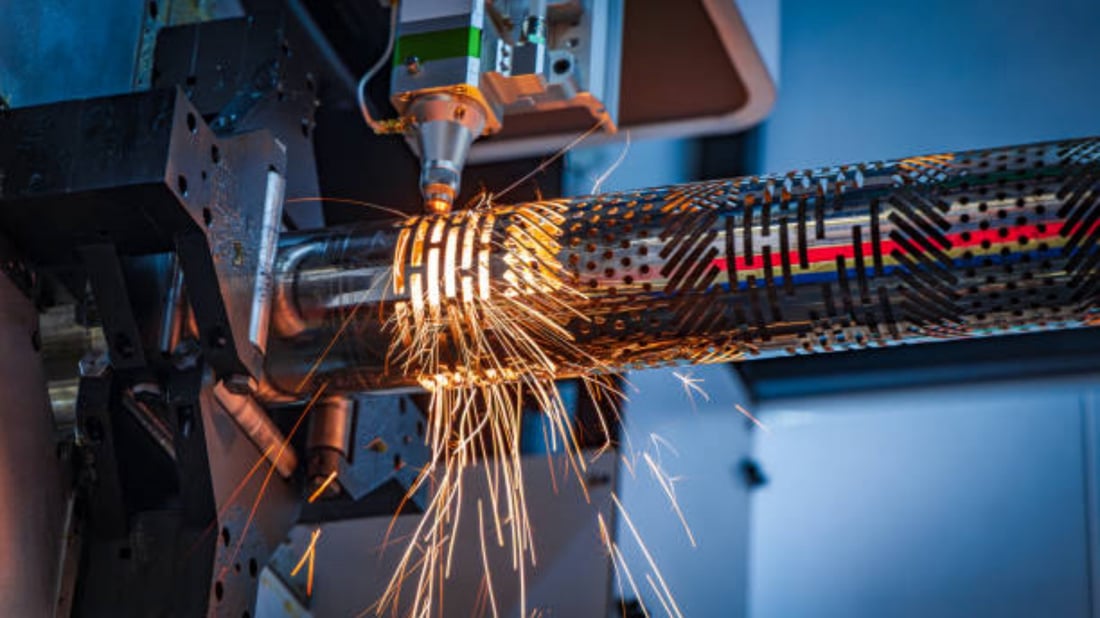
Regular CNC laser cutter maintenance is vital to ensure the machine operates efficiently and avoids unexpected breakdowns. Proper upkeep reduces downtime and extends the lifespan of expensive laser components, helping businesses maintain productivity and product quality. Neglecting routine checks can lead to costly repairs and diminished cutting precision.
Cleaning the Laser Optics for Optimal Performance
Laser optics, including mirrors and lenses, accumulate dust, smoke, and debris during operation. Cleaning these components regularly with specialized solutions and lint-free cloths ensures the laser beam remains focused and powerful. Dirty optics decrease cutting accuracy and can cause overheating, affecting the overall CNC laser cutter maintenance routine.
Lubrication of Mechanical Parts
The moving parts, such as rails, bearings, and lead screws, require consistent lubrication to minimize friction and wear. Using the recommended lubricants prevents binding and ensures smooth movement of the CNC laser cutter’s gantry system. Proper lubrication is an essential step in mechanical CNC laser cutter maintenance to avoid operational faults.
Checking and Aligning the Laser Beam
Beam alignment directly influences the quality of cuts and engraving accuracy. During maintenance, technicians must verify the laser path alignment and adjust mirrors if necessary. Misalignment can cause uneven cuts and reduce the effective power of the laser, emphasizing the importance of precise CNC laser cutter maintenance.
Inspecting and Replacing Consumables
Consumable parts such as nozzles, protective lenses, and filters wear out over time. Regular inspection and prompt replacement of these elements ensure safe and effective operation. Maintaining an inventory of consumables is a proactive approach to minimize machine downtime and optimize CNC laser cutter maintenance schedules.
Maintaining Cooling Systems
CNC laser cutters generate significant heat during operation, necessitating efficient cooling systems. Whether water-cooled or air-cooled, these systems must be checked for leaks, blockages, and proper fluid levels. Adequate cooling prevents thermal damage to laser tubes and electronic components, making cooling system upkeep a critical aspect of CNC laser cutter maintenance.
Electrical Connections and Wiring Checks
Loose or damaged electrical connections can cause erratic machine behavior or failure. Routine inspections of wiring and connectors protect against shorts or power interruptions. Ensuring that cables are properly routed and securely connected forms a crucial part of CNC laser cutter maintenance for operational safety.
Software and Firmware Updates
CNC laser cutter maintenance is not limited to hardware; staying updated with the latest software and firmware improves compatibility and adds features. Manufacturers often release updates addressing bugs and optimizing performance. Incorporating software maintenance into routine checks enhances machine functionality and user experience.
Calibrating the Machine for Precision Cutting
Periodic calibration of the CNC laser cutter ensures accuracy in dimensions and cut quality. Calibration involves adjusting parameters like focus height, speed, and power settings based on regular testing. Consistent calibration is fundamental for maintaining product consistency and is a key component of comprehensive CNC laser cutter maintenance.
Documenting Maintenance Activities for Continued Reliability
Keeping detailed records of maintenance actions, component replacements, and repairs helps track the machine’s health over time. This documentation assists technicians in diagnosing recurring issues and scheduling preventive maintenance. A well-maintained log supports strategic decisions to maximize CNC laser cutter maintenance effectiveness and reduce unplanned downtime.
Quote Inquiry
contact us