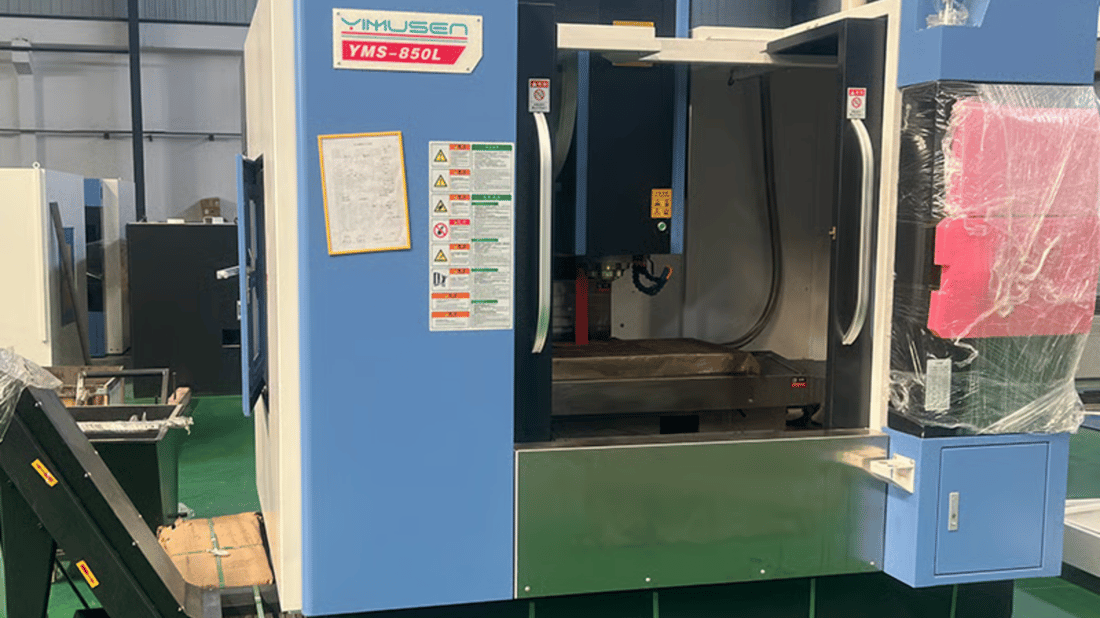
Double column CNC machining centers represent a significant advancement in machine tool technology, offering unmatched rigidity and precision. Distinguished by their two vertical columns, these machining centers are designed for heavy-duty tasks in industries requiring high accuracy, such as aerospace, automotive, and die manufacturing. Their robust framework supports large workpieces and ensures stability during complex machining operations.
Structural Advantages: Rigidity and Stability
The hallmark of a double column CNC machining center is its sturdy dual-column design, which provides superior rigidity compared to single-column machines. This design reduces vibrations during cutting, leading to enhanced precision and surface finish. The increased structural stability allows the machine to handle heavier loads, making it suitable for large-scale production and demanding machining tasks.
High Precision and Accuracy
Precision is critical in manufacturing, and double column CNC machining centers deliver this with exceptional accuracy. The machine’s design facilitates minimal deflection and improved spindle support, ensuring consistent dimensional tolerances. Advanced control systems combined with precise linear guideways and ball screws contribute to achieving micrometer-level precision in machining processes.
Versatility in Machining Capabilities
Double column CNC machining centers excel in versatility, capable of performing multiple operations such as milling, drilling, boring, and tapping within a single setup. Their large working envelope allows machining of sizable workpieces or multiple components simultaneously, enhancing productivity and reducing downtime caused by retooling or repositioning.
Enhanced Productivity and Efficiency
These machining centers are engineered to optimize workflow efficiency. Features like automated tool changers, pallet systems, and high-speed spindles reduce cycle times significantly. The ability to perform complex operations without manual intervention minimizes human error, accelerates throughput, and supports just-in-time manufacturing environments.
Advanced CNC Control Systems Integration
Equipped with sophisticated CNC control units, double column CNC machining centers enable precise programming and real-time monitoring. These systems offer multi-axis control, collision detection, and adaptive feed rates, improving machining quality and reducing waste. Integration with Industry 4.0 technologies further enhances process optimization and remote diagnostics.
Material Compatibility and Machining Range
Double column CNC machining centers are highly adaptable to various materials, including metals such as steel, aluminum, titanium, and composites. Their rigid structure and powerful spindles enable effective machining of hard alloys as well as softer materials, ensuring broad application across different industrial sectors handling diverse workpieces.
Maintenance and Longevity Considerations
Designed for durability, double column CNC machining centers require regular, yet straightforward, maintenance to sustain performance. Routine lubrication, alignment checks, and software updates ensure longevity. The robust construction also means fewer breakdowns and reduced maintenance costs compared to less rigid machines, providing excellent long-term value.
Cost Implications and Return on Investment
While double column CNC machining centers often involve a higher initial investment, their productivity gains and precision yield a strong return over time. Reduced scrap rates, minimized rework, and faster cycle times contribute to cost savings. For manufacturers handling complex, large-scale components, these centers become indispensable assets driving profitability.
Future Trends and Technological Innovations
The evolution of double column CNC machining centers continues with the integration of AI-driven automation, enhanced sensor technologies, and improved energy efficiency. Smart machining centers are incorporating predictive maintenance and enhanced software algorithms to further boost precision and reduce downtime, paving the way for smarter, more connected manufacturing ecosystems.
Quote Inquiry
contact us