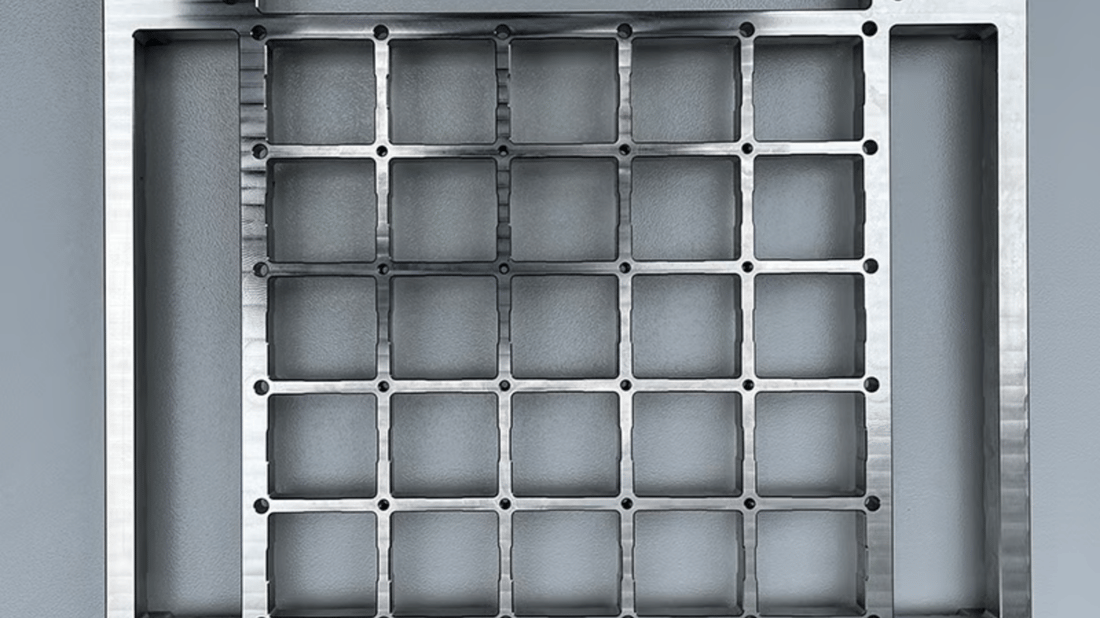
CNC vertical milling machining centers are advanced manufacturing tools designed for precision machining of metal and other solid materials. These centers employ computer numerical control (CNC) technology to automate vertical milling operations, improving accuracy, efficiency, and repeatability in complex machining tasks. Their vertical spindle orientation allows for effective removal of material from workpieces, making them essential in modern industrial settings.
Key Components and Structure
The structure of a CNC vertical milling machining center typically includes a vertically oriented spindle, a worktable, servo motors, and a computerized control panel. The spindle’s vertical arrangement enables downward cutting motions. The worktable moves in multiple axes to position the workpiece accurately. High-precision ball screws and linear guides contribute to smooth and precise tool movement, enhancing machining quality.
Application Versatility in Manufacturing
CNC vertical milling machining centers serve a wide array of industries, including automotive, aerospace, electronics, and medical device manufacturing. Their ability to handle complex geometries, such as slots, holes, and contours, makes them versatile tools for creating prototypes, molds, and production parts. They can efficiently machine materials ranging from aluminum and steel to composites and plastics.
Precision and Accuracy Advantages
One of the primary advantages of CNC vertical milling machining centers is their exceptional precision. The computer control system meticulously guides the cutting tool against programmed coordinates, minimizing human error. This precision is critical for applications requiring tight tolerances and intricate surface finishes. Enhanced rigidity and thermal stability of these machines also contribute to maintaining part accuracy over long production runs.
Automation and Efficiency Improvements
Automation features integrated into CNC vertical milling machining centers significantly boost productivity. Automated tool changers, probing systems, and coolant management reduce downtime and manual intervention. Operators can run multiple machining programs consecutively with minimal oversight, making these centers ideal for batch production and just-in-time manufacturing.
Programming and Software Utilization
Programming CNC vertical milling machining centers involves creating G-code instructions that dictate cutting paths and operations. Advanced CAM (Computer-Aided Manufacturing) software allows users to simulate toolpaths and optimize machining strategies before actual production. This digital approach reduces trial-and-error and shortens setup times, enhancing overall manufacturing efficiency.
Material Compatibility and Tooling Considerations
These machining centers can process a wide variety of materials due to their robust spindle power and adaptable tooling options. High-speed steel, carbide, and coated cutting tools can be utilized to machine metals like stainless steel and titanium, while also accommodating non-metal materials. Proper selection of tooling and cutting parameters is essential to maximize tool life and achieve optimal surface quality.
Maintenance and Longevity
Regular maintenance of CNC vertical milling machining centers is crucial to ensure long-term operational reliability. Routine tasks include lubrication of moving parts, checking alignment, cleaning chips, and software updates. Proper upkeep prevents premature wear, reduces the likelihood of breakdowns, and sustains machining accuracy over time, protecting investments in these precision machines.
Cost Factors and Return on Investment
Investing in a CNC vertical milling machining center involves initial capital expenditure, but the long-term benefits often justify the cost. Reduced labor expenses, higher throughput, superior quality, and lower scrap rates contribute to a rapid return on investment. Additionally, the machine’s versatility allows shops to diversify production capabilities without purchasing multiple specialized machines.
Future Trends and Technological Advances
The field of CNC vertical milling machining centers continues to evolve with integration of artificial intelligence, IoT (Internet of Things), and real-time monitoring systems. These advances enhance predictive maintenance, adaptive machining adjustments, and workflow optimization. As technology progresses, these centers will become even more intelligent and efficient, maintaining their critical role in advanced manufacturing processes.
Quote Inquiry
contact us